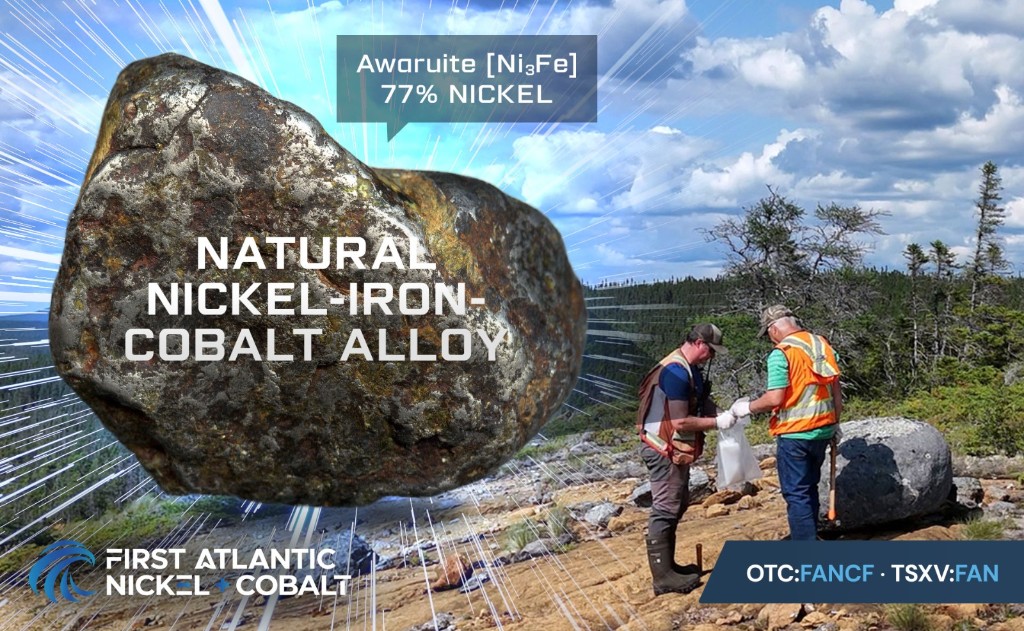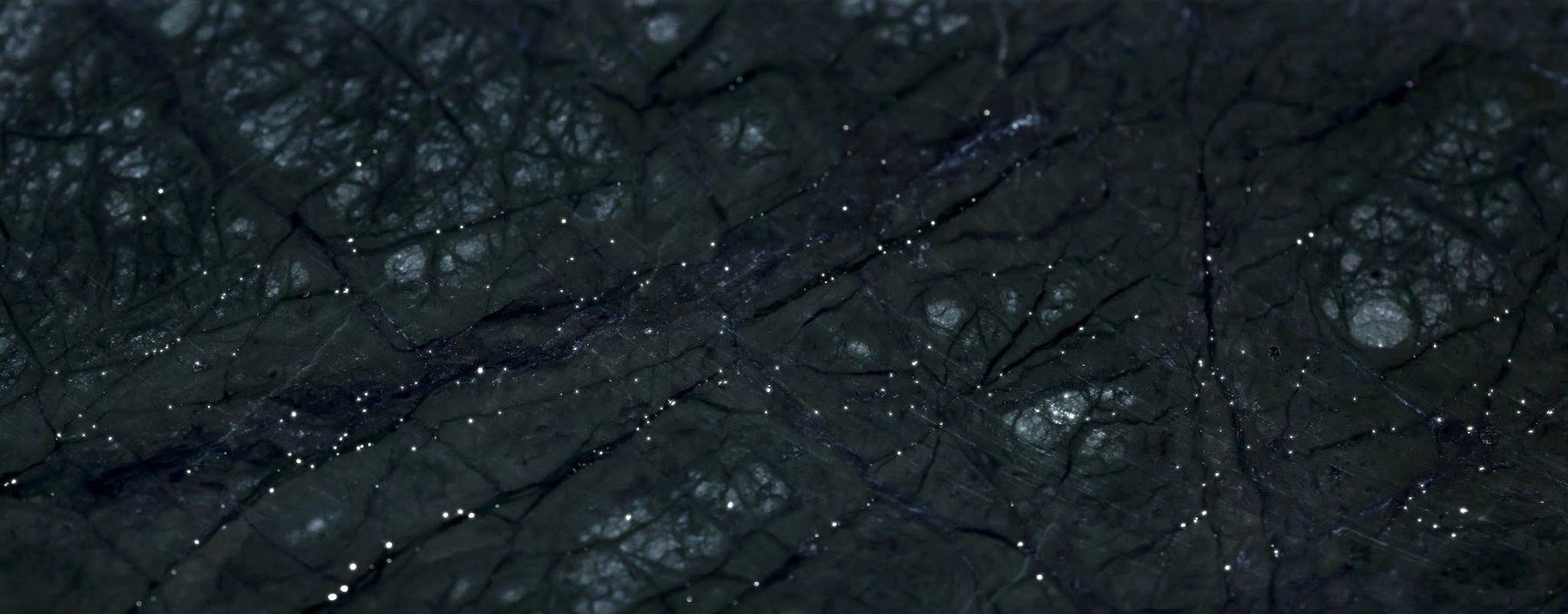
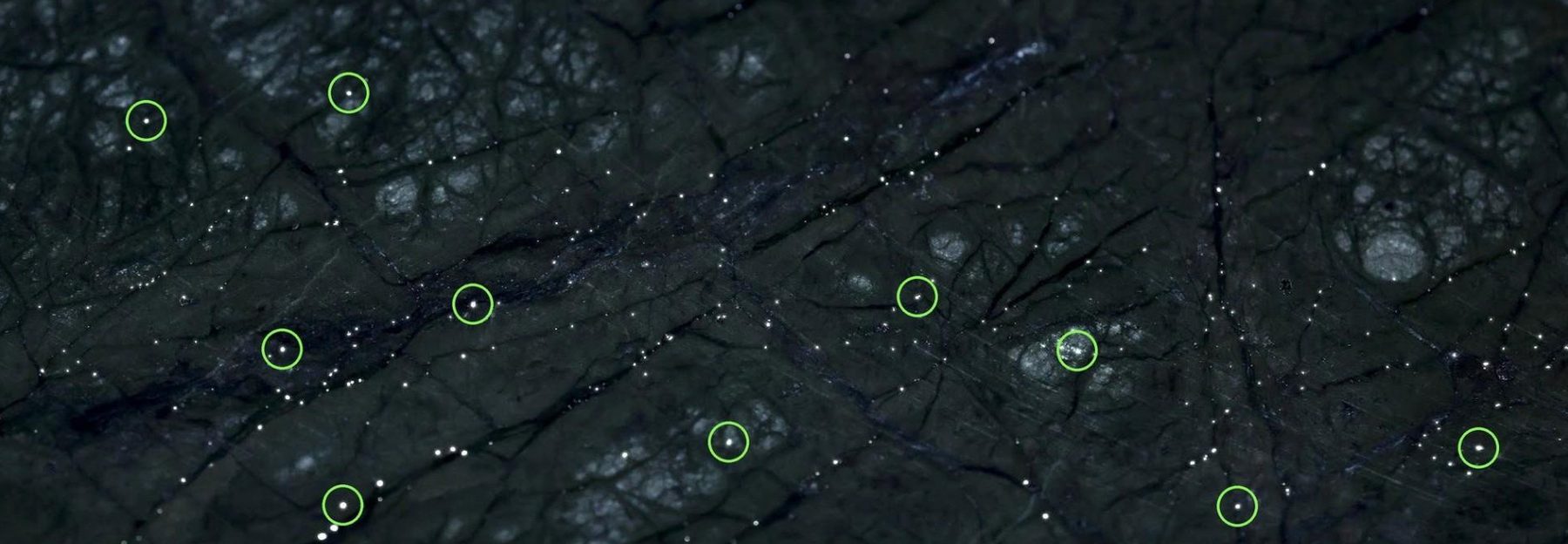
Awaruite is already metal when it comes out of the ground. Magnets and flotation concentrate it. No smelter needed.2
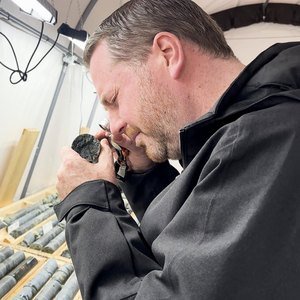
A natural magnetic nickel-iron-cobalt alloy that is already metal in the ground
Awaruite (Ni3Fe) is a naturally occurring, magnetic nickel-iron-cobalt alloy that contains no sulphur. The nickel is already in metallic form, so awaruite concentrate does not require smelting.6
"The development of awaruite deposits in other parts of Canada may help alleviate any prolonged shortage of nickel concentrate. Awaruite, a natural iron-nickel alloy, is much easier to concentrate than pentlandite, the principal sulfide of nickel."7
U.S. GEOLOGICAL SURVEY, MINERAL COMMODITY SUMMARIES, JANUARY 2012Since the U.S. Geological Survey published that statement in January 2012, First Atlantic has drilled the first major awaruite discovery in Atlantic Canada: four drilled awaruite discoveries spanning about 14 km of the 30 km Pipestone XL trend in central Newfoundland.8
The largest nickel-cobalt alloy and chromium discovery in the Atlantic in 30 years
The Pipestone XL Nickel-Cobalt Alloy Project covers an entire 30 km belt in central Newfoundland, 100% owned. The last discovery of this kind in the province was Voisey's Bay, which sold for $4.3 billion in 1996.9
The belt is the Pipestone Ophiolite Complex, a slice of ancient ocean crust and mantle thrust onto land. Serpentinization enriched the whole of it in nickel, cobalt and chromium, and drove the sulphur out.
In a presidential proclamation in January 2026, the United States stated that it lacks the capacity to process the nickel and cobalt it mines.10 Awaruite concentrate from Pipestone XL is designed to ship direct to a refinery, with no smelter.
Five zones of awaruite mineralization have been identified along the 30 km magnetic trend: RPM, Alloy Max, Super Gulp, Atlantic Lake and Chrome Pond. The four drilled discoveries (RPM, Alloy Max South, Alloy Max North and Super Gulp) span about 14 km. Historic drilling at Atlantic Lake in 1978 lies at the north end, past about 16 km of undrilled trend with potential for additional zones.8
The 30 km Pipestone XL trend: satellite image on the terrain
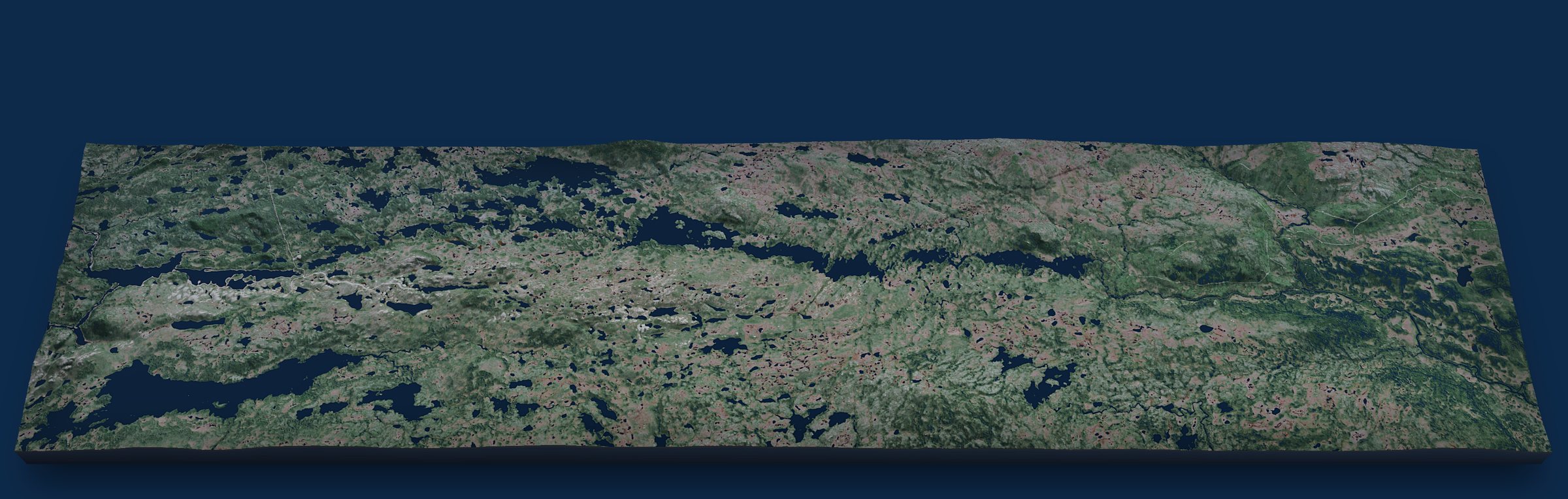 5 kmAccess road16 km untested
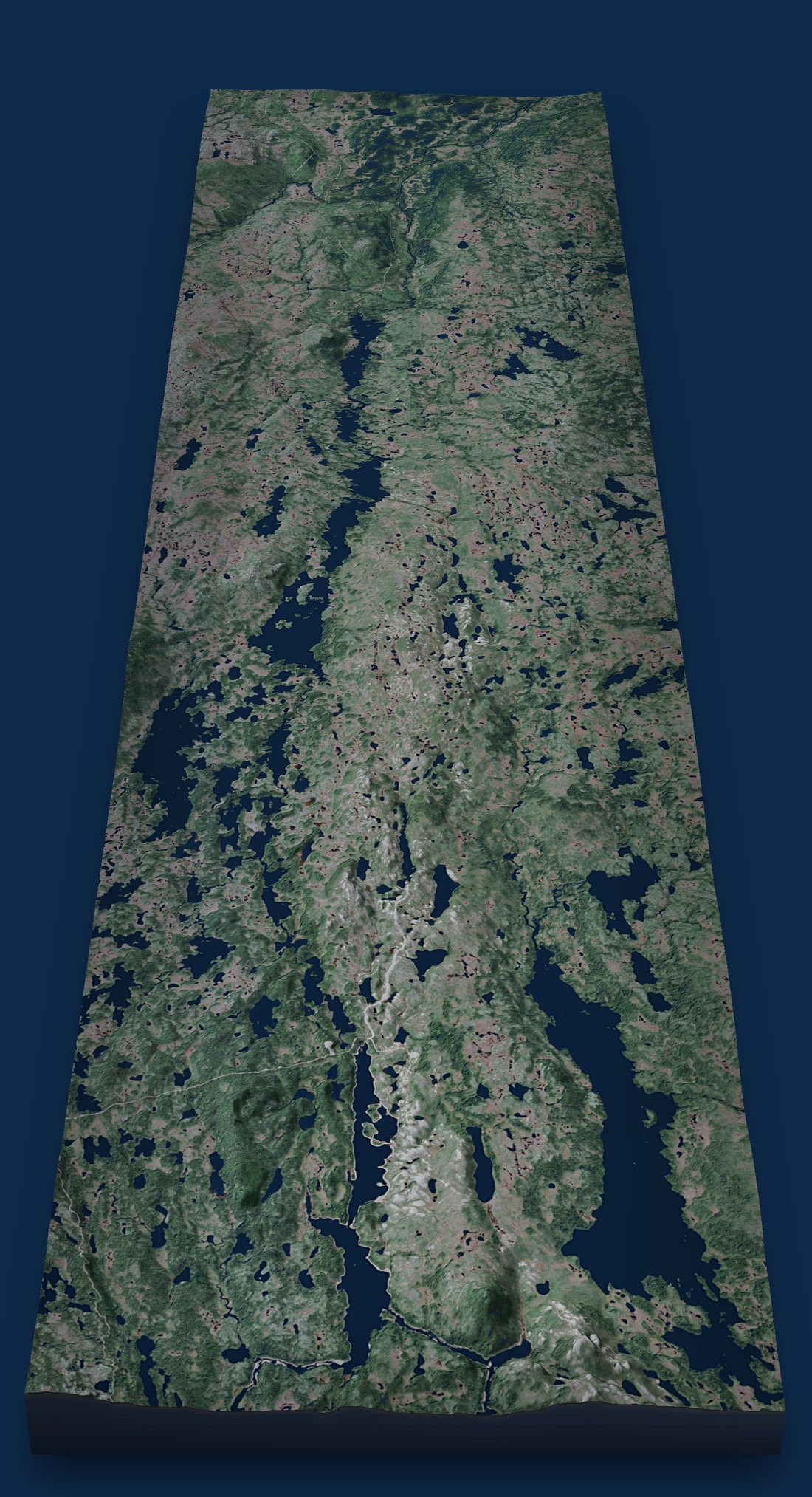 5 kmAccess road16 km untested
Select a zone name on the map to read about it.
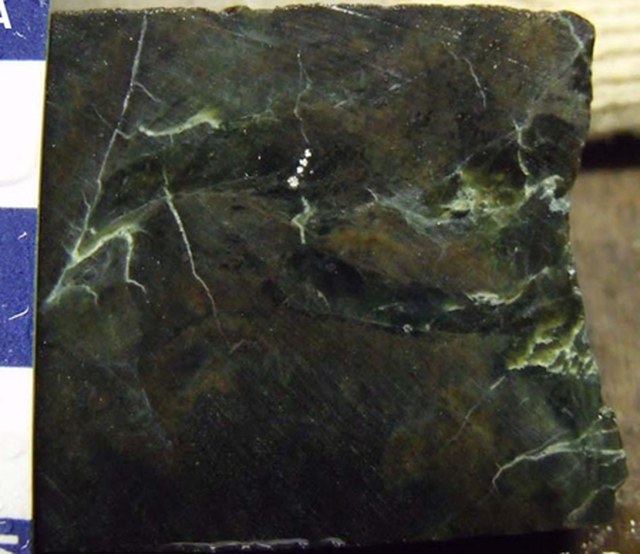 HISTORIC DRILLINGAtlantic Lake
Hole AL-78-1: 0.22% total nickel over its entire 87 metres11, with visible awaruite.
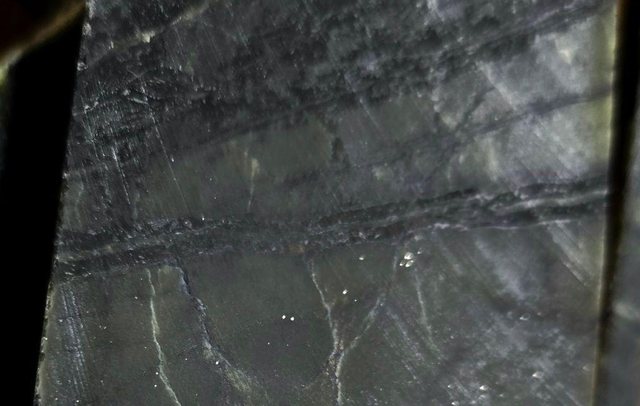 DISCOVEREDSuper Gulp
The discovery hole, AN-24-01, intersected visible awaruite from surface over its full 297 metres.12
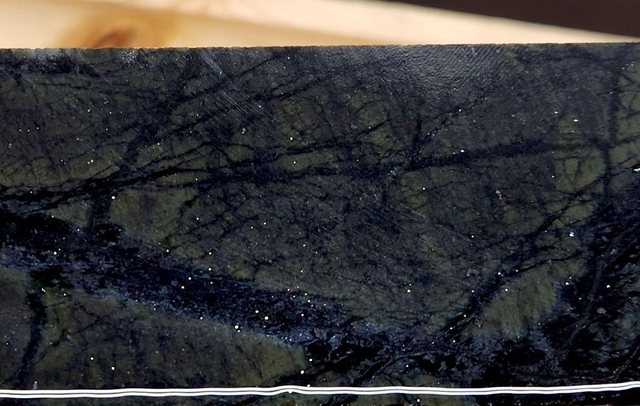 DISCOVEREDRPM Zone
Thirteen drill holes, all mineralized, over more than 1.2 km of strike and 800 metres of width.13
 ANNOUNCEDAlloy Max North
Confirmed in November 2026 as a second large-scale zone, up to about 7 km north of RPM.6
Three views of the same 30 km trend. Select a map, then select a zone.
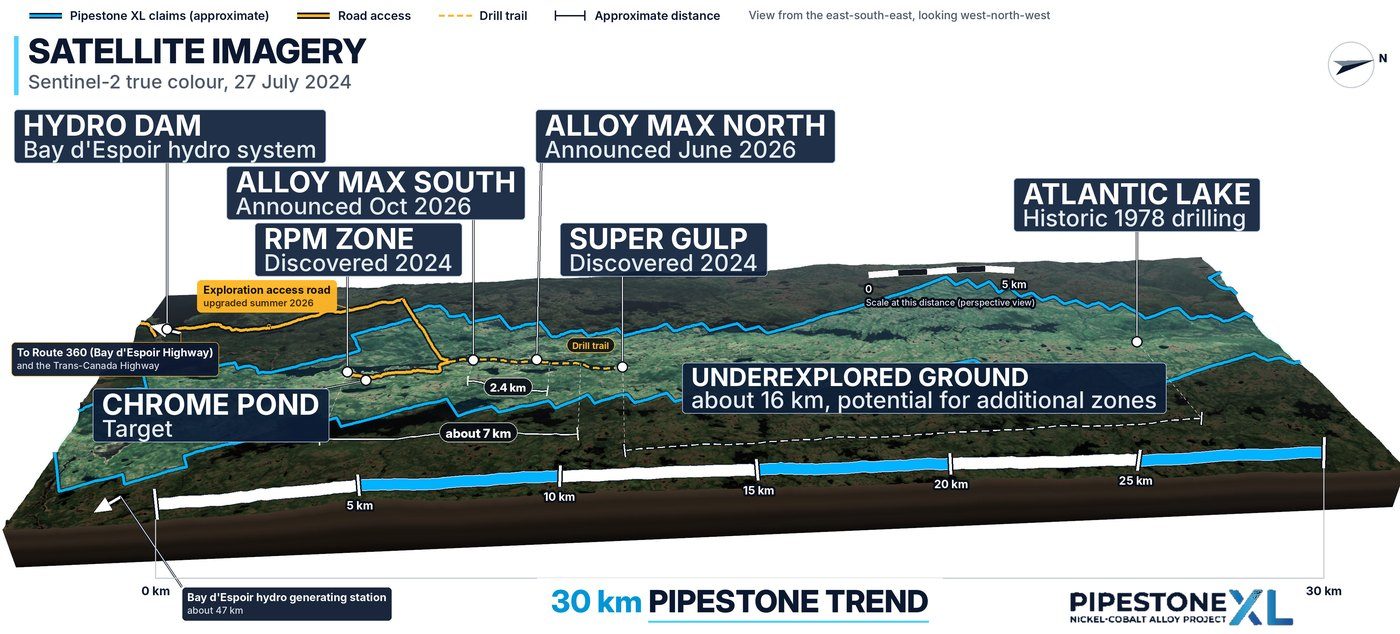
Awaruite is magnetic, and the magnetic high follows the ultramafic belt for the full 30 km. Each shallow zone that drills like the RPM Zone or Alloy Max is a candidate for open-pit, bulk-tonnage feed to one central ONSHORE MAX™ concentrator.14
The objective is a large-scale, multi-pit nickel-cobalt mining district feeding one central concentrator.
Every hole has hit visibly disseminated awaruite: 18 of 18 since 2024
Every drill hole has hit visibly disseminated awaruite. All 18 holes since 2024 have intersected it: one at Super Gulp, 13 at the RPM Zone and four at Alloy Max.6
Pipestone XL drill holes: satellite image on the terrain
Drag to rotate, scroll to zoom
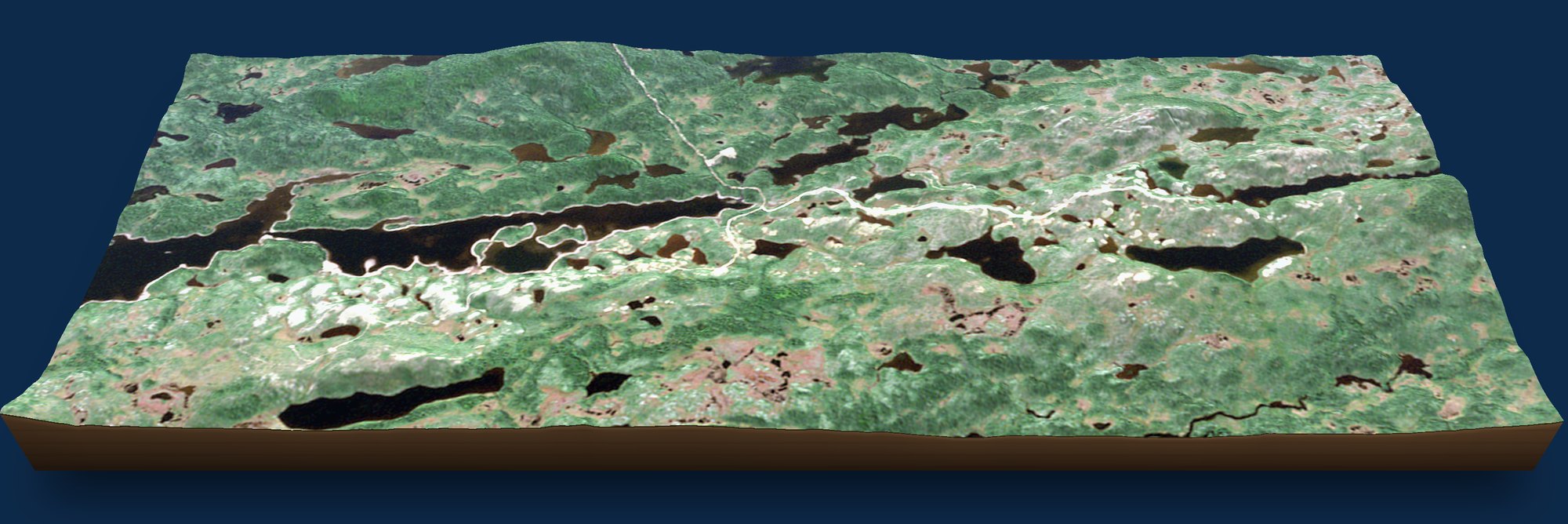 1 kmAN-24-02AN-24-03AN-24-04AN-24-05AN-25-06AN-25-07AN-25-08AN-25-09AN-25-10AN-25-11AN-25-12AN-25-13AN-25-14XL-26-15XL-26-16XL-26-17XL-26-18RPM ZoneAlloy Max SouthAlloy Max North
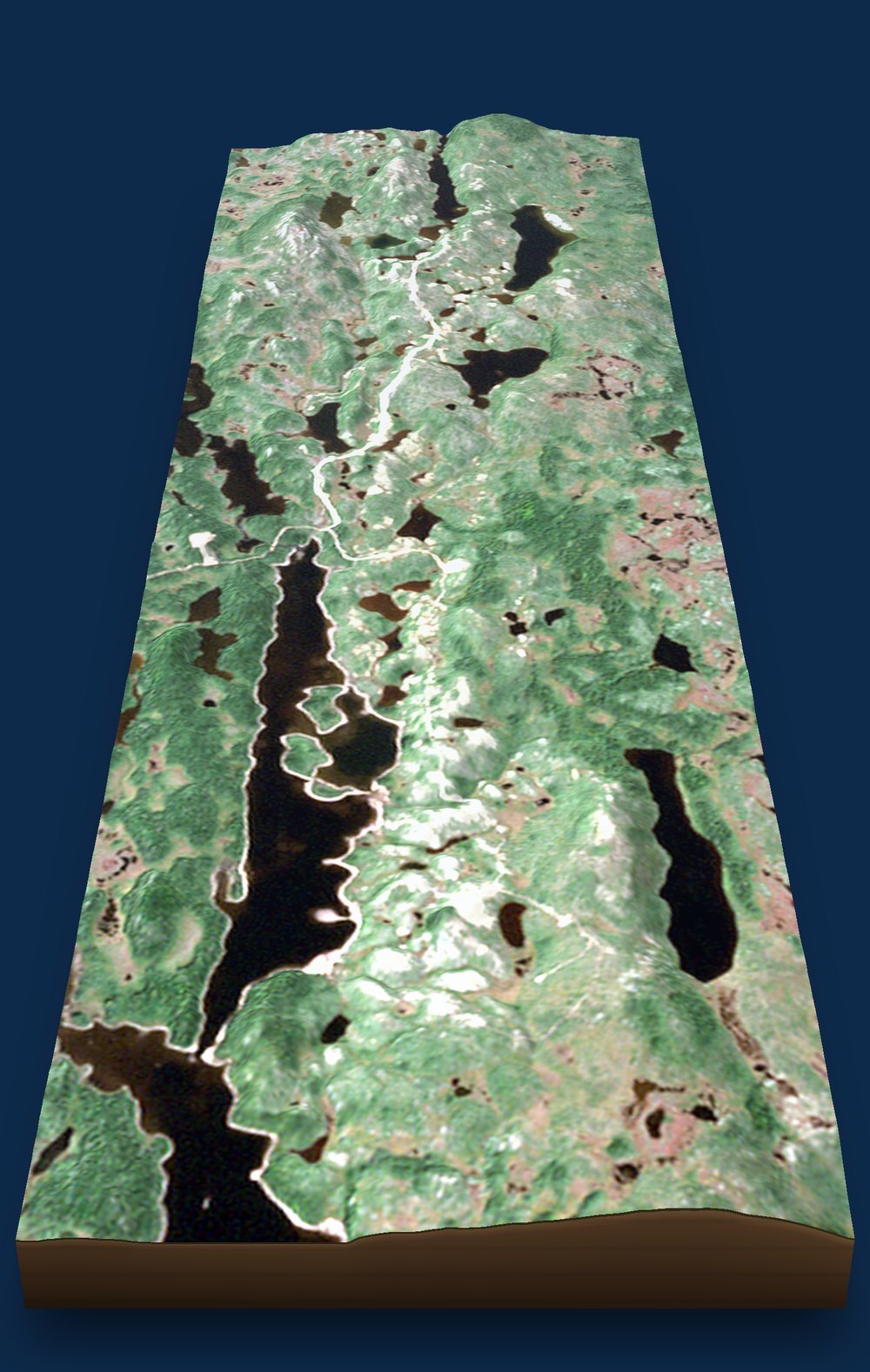 1 kmAN-24-02AN-24-03AN-24-04AN-24-05AN-25-06AN-25-07AN-25-08AN-25-09AN-25-10AN-25-11AN-25-12AN-25-13AN-25-14XL-26-15XL-26-16XL-26-17XL-26-18RPM ZoneAlloy Max SouthAlloy Max North
Super Gulp: 1 hole, about 2 km northeast of Alloy Max North, outside this view
Satellite image: Copernicus Sentinel-2, September 25, 2026 (contains modified Copernicus Sentinel data 2026), on a 5 m terrain model, relief exaggerated about 3 times. Zone outlines and drill holes from company data; blue areas are the company's zone areas, not mineral resource outlines.
| Drill hole | From, to (m) | Interval (m) | Nickel in magnetic concentrate (%) | Mass pull (%) | Total nickel (%) | DTR nickel (%) |
|---|---|---|---|---|---|---|
| XL-26-17 | 13.3 to 450 | 436.7 | 1.12 | 7.65 | 0.24 | 0.09 |
| including | 126 to 432 | 306 | 1.36 | 7.99 | 0.24 | 0.11 |
| including | 204 to 351 | 147 | 1.76 | 7.84 | 0.23 | 0.14 |
| XL-26-16 | 21 to 525 | 504 | 1.49 | 5.71 | 0.23 | 0.08 |
| including | 180 to 249 | 69 | 2.18 | 5.66 | 0.23 | 0.12 |
| XL-26-15 | 9 to 414 | 405 | 0.98 | 7.79 | 0.22 | 0.07 |
| including | 132 to 228 | 96 | 1.04 | 8.63 | 0.22 | 0.09 |
Select a drill hole to read its news release in a window on this page. Intervals are drilled lengths, not true widths.
Thirteen holes in 2024 and 2025 expanded the RPM Zone to more than 1.2 km of strike and 800 metres of width, with mineralized intervals up to 486 metres.13 The first metallurgical test work was completed on RPM Zone drill core.2
| Drill hole | Section | From (m) | To (m) | Length (m) | Nickel in magnetic concentrate (%) | Mass pull (%) | DTR nickel (%) | Reported |
|---|---|---|---|---|---|---|---|---|
| AN-24-02 | S1 | 11 | 394 | 383 | 1.37 | 9.50 | 0.13 | Mar 13, 2025 |
| AN-24-03 | S1 | 18 | 234 | 216 | 1.32 | 9.12 | 0.11 | Apr 15, 2025 |
| AN-24-04 | S1 | 12 | 378 | 366 | 1.46 | 9.53 | 0.14 | Jun 24, 2025 |
| AN-24-05 | S2 | 6 | 357 | 351 | 1.47 | 8.21 | 0.12 | Jul 9, 2025 |
| AN-25-06 | S2 | 5.65 | 453 | 447 | 1.27 | 9.02 | 0.11 | Aug 13, 2025 |
| AN-25-07 | S2 | 9 | 495 | 486 | 0.97 | 9.60 | 0.09 | Oct 23, 2025 |
| AN-25-08 | S3 | 11 | 491 | 480 | 1.35 | 8.79 | 0.12 | Oct 23, 2025 |
| AN-25-09 | S3 | 9 | 483 | 474 | 0.93 | 9.0 | 0.08 | Dec 2, 2025 |
| AN-25-10 | S1 | 8 | 236 | 228 | 1.44 | 10.48 | 0.15 | Dec 2, 2025 |
| AN-25-11 | S1 | 23 | 425 | 402 | 1.31 | 10.01 | 0.13 | Jan 27, 2026 |
| AN-25-12 | S1 | 10.4 | 95 | 84.6 | 1.24 | 8.27 | 0.10 | Jan 27, 2026 |
| AN-25-13 | S4 | 17 | 388 | 371 | 1.11 | 9.10 | 0.10 | Jan 27, 2026 |
| AN-25-14 | S0 | 8 | 335 | 327 | 0.54 | 8.71 | 0.05 | Jan 27, 2026 |
Select a drill hole to read its news release in a window on this page. Source: company news releases, as tabulated in the January 27, 2026 release. Intervals are drilled lengths, not true widths.
Visible awaruite from beneath shallow overburden at an Alloy Max drill pad.15
Hole XL-26-18 at 32 metres, Alloy Max South.5
About 2,000 microns across, hole AN-25-08, RPM Zone.16
A natural magnetic nickel-cobalt alloy that bypasses the smelting bottleneck
Magnetic separation and flotation produced an awaruite alloy concentrate averaging 67.4% nickel, with 1.76% cobalt in the final test.2 The concentrate is designed to ship direct to a refinery, with no smelter.
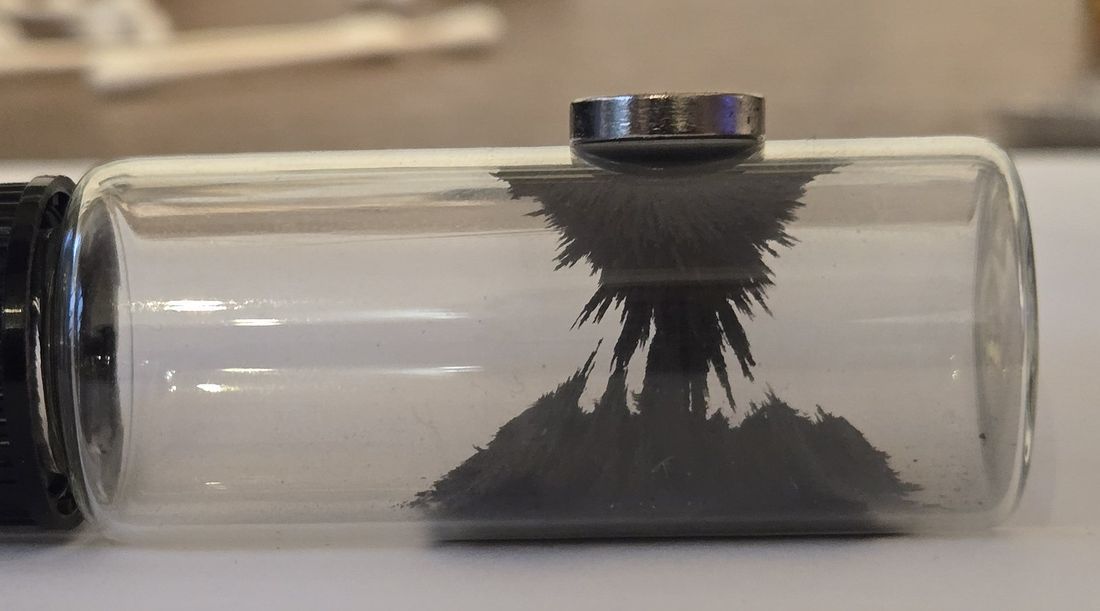
Western countries are not short of nickel. They are short of the capacity to process it.
"Even where the United States has domestic mining capacity, such as for cobalt, nickel, and rare earth elements, the United States lacks the domestic processing capacity to avoid downstream net-import reliance."10
THE WHITE HOUSE, PROCLAMATION 11001, JANUARY 14, 2026
The United States put 50% tariffs on Canadian steel, aluminum and copper, and none on nickel or cobalt, the two metals the proclamation says it cannot process.4647
North America lacks the smelting capacity to process new nickel mine supply for future demand. North American nickel is sulfide ore, and sulfide concentrate cannot reach a refinery without a smelter, so more domestic mining alone does not solve this. Imports do not solve it either, because foreign concentrate still has to be smelted or leached before it is refined.
A new smelter costs billions of dollars on top of the mine, requires years of permitting, and draws power that now competes with data centres.25 The United States has built one before: the Riddle smelter was built with federal money in the 1950s, shut over electricity costs in 1982, and closed permanently in 1998.26
Almost all of the world's nickel comes from sulfide and laterite ores, which are processed by smelting, roasting or high-pressure acid leaching. Those steps consume large amounts of energy to break the nickel mineral down and reduce it to metal. Awaruite is different. It is a natural nickel-iron-cobalt alloy, so the nickel is already in metallic form and can be concentrated by magnetic separation and flotation without smelting, roasting or high-pressure acid leaching.3
Because the alloy is magnetic, it is recovered from crushed rock with magnetic separator drums, commonly used in large-scale open-pit iron ore mines across North America for over a century.14
No smelter. No roasting. No acid plant. No sulphur dioxide.
On June 24, 2026, First Atlantic released its first metallurgical test work, completed at SGS Canada on RPM Zone drill core.2 The process uses two steps, magnetic separation and flotation, both standard, proven methods in mining.
Magnetic awaruite is attracted to the drum and separated from the non-magnetic rock.
Air bubbles carry the awaruite grains to the surface, where they are recovered as concentrate.
Four flotation tests averaged 67.4% nickel, up to 71.9%, with 1.76% cobalt in the final test.2
Refined into nickel metal or nickel sulphate for batteries.
Alloy concentrate67.4% nickel, 1.76% cobalt, sulphur-free metal
Magnetic separation and flotation, both proven methods, replace the smelter step that nickel sulfide and laterite ores require.
Illustration only: the refinery location is an example, not a plan. Routes are schematic. Refinery, port, shipping and offtake arrangements are not in place; no mineral resource estimate exists. Gigafactory locations from public announcements; planned capacity is not guaranteed to be built. Stainless, superalloy and engine sites from company websites and filings; no supply relationship implied. Basemap: Natural Earth (public domain).




| Awaruite at Pipestone XL | Sulfide and laterite nickel | |
|---|---|---|
| Nickel in the mineral | About 77%, a natural metal alloy | Bound to sulphur in sulfide ore, or held in oxide and silicate minerals in laterite |
| Concentrate grade | 67.4% nickel average, with 1.76% cobalt | Commonly 10% to 15% nickel27 |
| At the mine site | Magnetic separation and flotation | Flotation, then smelting, roasting or acid leaching |
| Smelter | Not required, ships direct to a refinery | Required, potentially billions in capital |
| Tailings | Sulphur-free and inert | Acid-generating |
A typical nickel sulfide concentrate grades 10% to 15% nickel before smelting, according to the Nickel Institute.27 Awaruite concentrate carries more than four times the nickel per tonne shipped, and is designed to ship direct to a refinery, not a smelter.
Columbia University's cerium refining technology extracted 98% of the nickel and 82% of the cobalt from Pipestone XL awaruite in 20 minutes
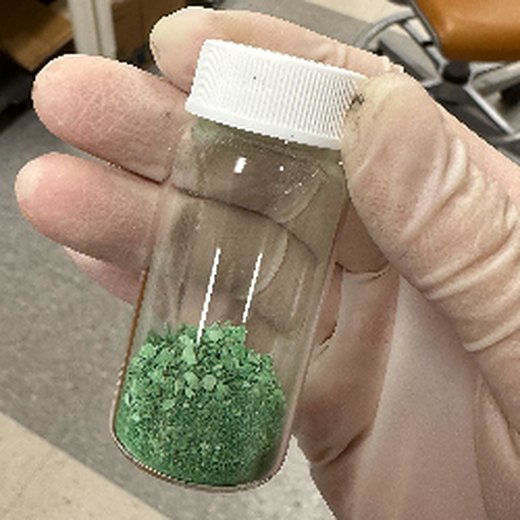
NEW, NOVEMBER 18, 2026Most nickel faces two hard steps between the mine and the metal. First a smelter. Then a refinery that runs on sulfuric acid. Pipestone XL had already shown it can skip the first. Columbia University's new cerium refining technology now addresses the second.
In peer-reviewed research published in ACS Sustainable Resource Management, Columbia University's cerium refining technology extracted 98% of the nickel and 82% of the cobalt from Pipestone XL awaruite concentrate in 20 minutes, using a recyclable cerium solution at room temperature.328
Pipestone XL awaruite compared with nickel sulfide concentrate samples in the same Columbia University study
Data from Donovan et al. (2026), ACS Sustainable Resource Management. Points between the start and end values are approximate, read from the paper's charts. Chart by First Atlantic.28 The sulfide samples are two sulfide concentrates and two high-magnesium sulfide samples from the Tamarack project; one reached 84% in 60 minutes only after pretreatment with hot sulfuric acid.3
Columbia's control tests confirmed that the cerium refining technology is far more efficient than conventional leaching. On the same awaruite concentrate and in the same 20 minutes, a common iron-based leaching solution extracted 38% of the nickel, and acid alone extracted only 8%.3
Nearly all of the nickel sits in a single mineral. Awaruite has no sulfide to oxidize, which is why it leached faster and used far less cerium. The concentrate was produced by magnetic separation and flotation at SGS Canada, in the test work reported on June 24, 2026.2
Cerium recycled in a closed loop
Regenerated with electricity and reused
Room temperature and atmospheric pressure. No smelter.
The cerium is not used up. Columbia demonstrated multiple regeneration cycles3, so it works as a recyclable carrier and not as a reagent that is consumed.

"As [ARPA-E MINER] Program Director I funded this Columbia University research, and the results on First Atlantic's awaruite concentrate from Pipestone XL demonstrate the success of cerium refining: approximately 98% of the nickel and 82% of the cobalt extracted in 20 minutes, at room temperature, without smelting or sulfuric acid."3
DR. DOUGLAS WICKS, STRATEGIC ADVISOR, FIRST ATLANTIC, FORMER PROGRAM DIRECTOR, U.S. DEPARTMENT OF ENERGY ARPA-E MINER PROGRAM, NOVEMBER 18, 2026
Columbia also tested Pipestone XL magnetic-only concentrate, taken after magnetic separation and before flotation, grading 1.3% nickel and 55% iron.3 Cerium extracted 77% of the nickel in 20 minutes while dissolving only 5.6% of the iron.3
First Atlantic intends to investigate this result further with Columbia University. The cerium refining technology could be added as a step for magnetic concentrate in the Pipestone XL process, with the potential to increase total nickel recovery.3
Downstream nickel refining today depends on sulfuric acid, and most of the capacity is controlled by China and Indonesia.3 China refines 68% of the world's nickel, according to the Brookings Institution.22 Indonesia's high-pressure acid leach plants need roughly 10 tonnes of sulphur for every tonne of nickel.31
In 2026, the price of sulphur delivered to Indonesia rose from about US$563 per tonne to a peak near US$1,30032, and China announced a near-total ban on sulfuric acid exports.33 Cerium is a different kind of input: abundant, low cost, produced in the United States and regenerated with electricity.
The result indicates strong potential for First Atlantic to develop a vertically integrated nickel and cobalt supply chain in North America, shipping awaruite concentrate averaging 67.4% nickel from the mine directly into downstream refining to produce Class 1 nickel metal or nickel sulphate.3
Laboratory-scale batch tests. The technology has not yet been demonstrated at pilot or commercial scale.3 Tamarack is Talon Metals Corp.'s nickel-copper project in Minnesota; its samples were tested in the same study. First Atlantic is not affiliated with Talon Metals Corp.
Engineered Mineral Hydrogen at Pipestone XL, through a planned 50/50 joint venture with Vema Hydrogen, and chromium as a potential co-product

On June 8, 2026, Vema Hydrogen and First Atlantic signed a non-binding letter of intent to form a 50/50 joint venture to develop Engineered Mineral Hydrogen (EMH) at Pipestone XL.34 The planned joint venture would produce low-carbon hydrogen alongside First Atlantic's primary awaruite nickel-cobalt program.
Awaruite and hydrogen come from the same reaction. Awaruite forms through serpentinization, when hydrogen reduces nickel and iron in ultramafic rock. The presence of awaruite at Pipestone XL is a signature of a hydrogen-rich system. Engineered Mineral Hydrogen stimulates the same reaction to produce hydrogen.34
According to Vema Hydrogen, "most of the work is performed by the Earth itself" and "we just need to drill and inject the water in the subsurface."35
"Awaruite forms through serpentinization when hydrogen reduces nickel and iron, so its presence at Pipestone XL is a clear signature of a hydrogen-rich system. Vema's technology could engineer that same reaction for hydrogen production, and Pipestone XL is an ideal location due to its size, proximity to infrastructure, and the potential for cost efficiencies in co-locating hydrogen production with nickel & cobalt mining."34
DR. DOUGLAS WICKS, STRATEGIC ADVISOR, FIRST ATLANTIC, FORMER PROGRAM DIRECTOR, ARPA-E MINER PROGRAM AND GEOLOGIC HYDROGEN PORTFOLIO, JUNE 8, 2026Evaluation. Vema worked with First Atlantic to evaluate the Pipestone Ophiolite Complex, analyzing geological and geophysical data and infrastructure across the 30-kilometer belt.34
Hydrogen production confirmed. Rock samples collected during Vema's site visit to Pipestone XL were tested at Vema's facility in Orléans, France. Testing confirmed hydrogen production through stimulated serpentinization, indicating that the formation is well suited to EMH.34
Permit issued. A supplemental exploration permit authorizes test drilling and in-ground wellbore injection at Pipestone XL.36
Letter of intent signed. Vema Hydrogen and First Atlantic signed a non-binding letter of intent for a planned 50/50 joint venture.
Definitive agreements and monitoring. The parties intend to negotiate definitive agreements. The academic collaboration includes Colorado School of Mines, whose methods are used to characterize and monitor hydrogen generation at depth.36

Shared. Ownership of the planned joint venture would be split 50/50. The academic collaboration includes Colorado School of Mines, with expertise used to characterize and monitor hydrogen generation at depth.36

"Engineered Mineral Hydrogen is a promising new primary energy source for regions with iron-rich rock, like at Pipestone. Now with validated rock samples and permitting in place, we have a clear path to advance EMH at Pipestone and to expand the model across North America."34
PIERRE LEVIN, CEO AND CO-FOUNDER, VEMA HYDROGEN, JUNE 8, 2026A Stanford University study, Techno-economic analysis of natural and stimulated geological hydrogen (Mathur et al., 2024), estimates production costs of approximately $0.54/kg for natural geological hydrogen and $0.92/kg for stimulated geological hydrogen, both below the U.S. Department of Energy's $1/kg target.55
"Stimulated geologic hydrogen, in particular, has the potential to become a large-scale source of renewable energy that is cost-competitive with hydrocarbon energy."54
DR. DOUGLAS WICKS, STRATEGIC ADVISOR, FIRST ATLANTIC, FORMER PROGRAM DIRECTOR, ARPA-E MINER PROGRAM AND GEOLOGIC HYDROGEN PORTFOLIO, APRIL 29, 2026The cost figures are estimates from a published study and are not results from Pipestone XL. The letter of intent is non-binding and no joint venture has been formed.
The nickel-cobalt alloy is the primary target. Chromite grains at the RPM Zone carry 60.2% Cr2O3, and the company is testing recovery of chromium as a co-product1 alongside the nickel-cobalt concentrate.
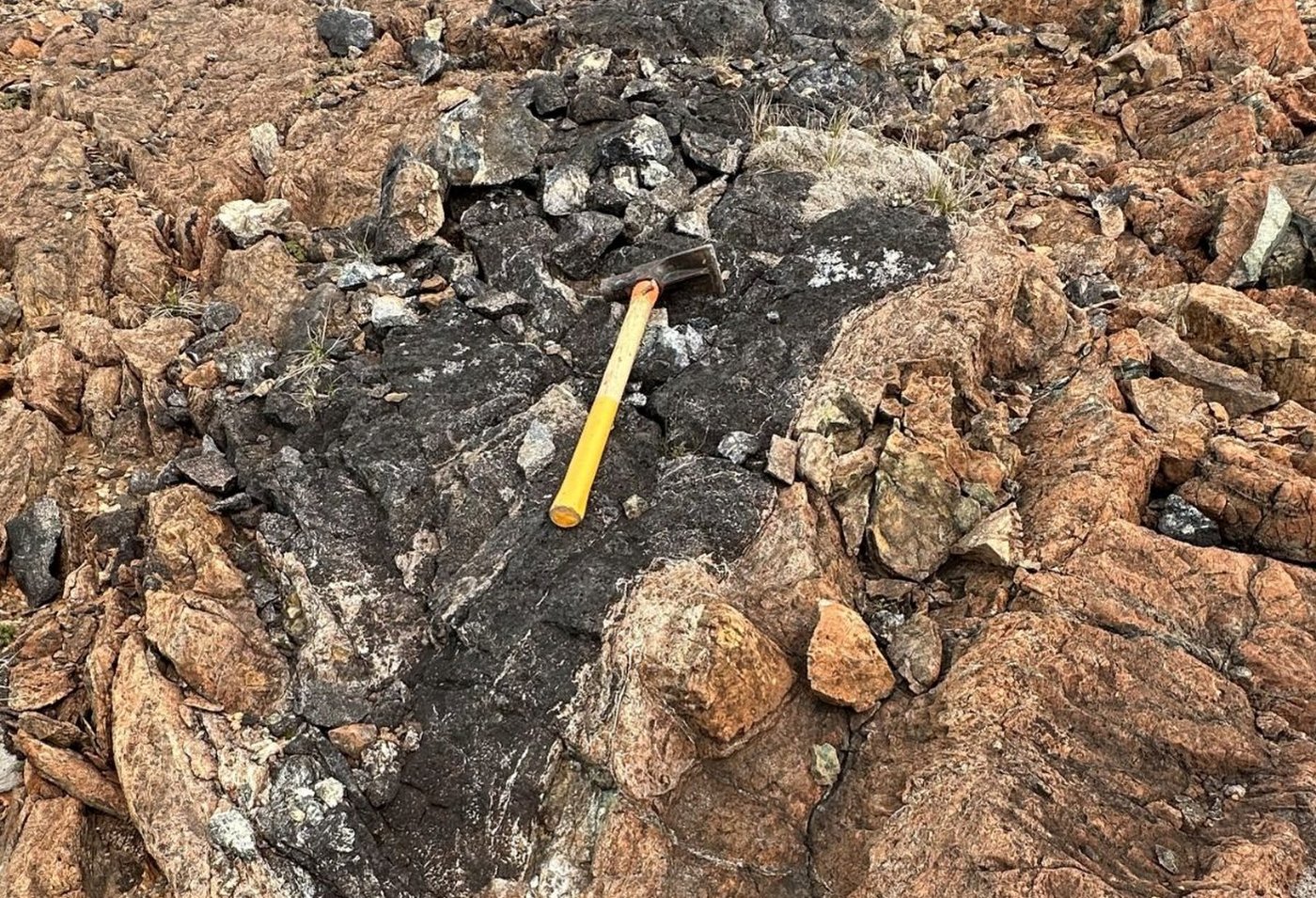
in chromite grains at the RPM Zone, by electron microprobe
Roads, hydro power, deep-sea ports and a top-ten mining jurisdiction
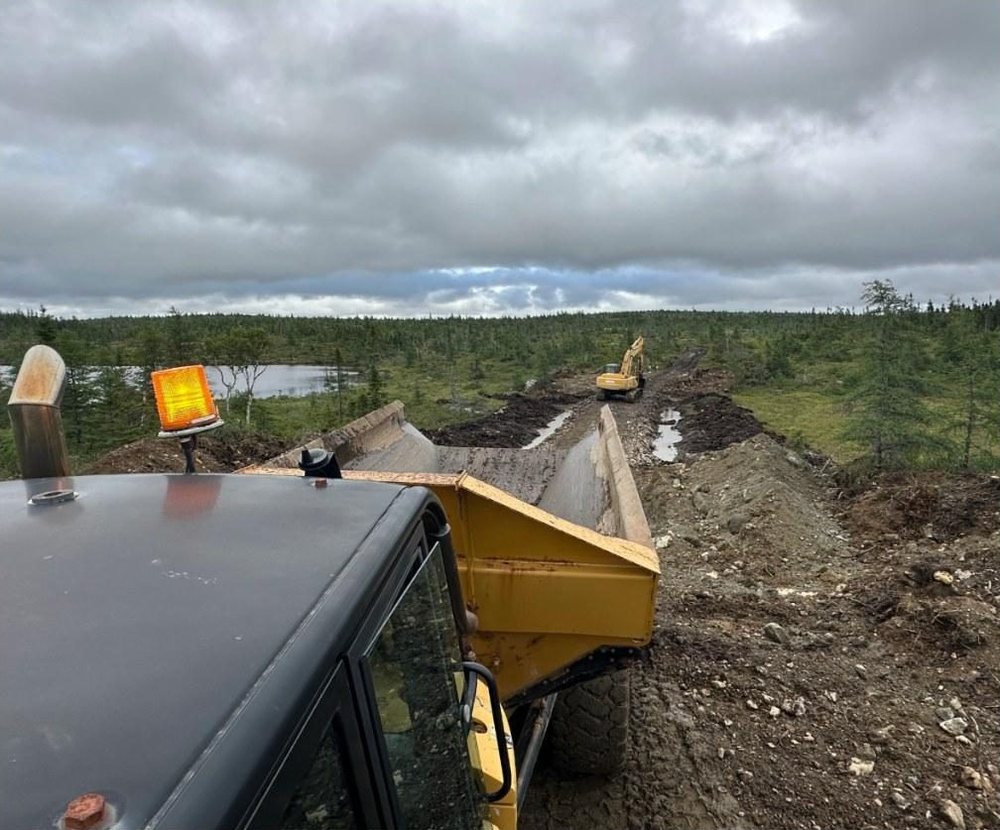
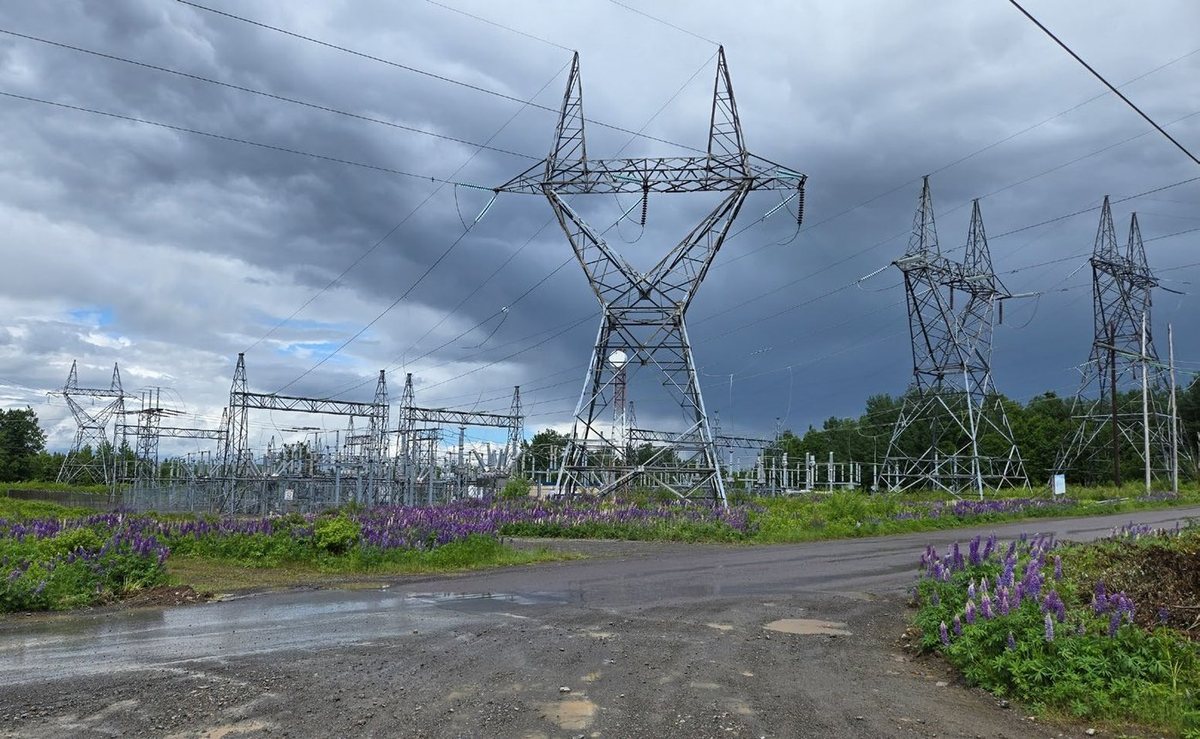
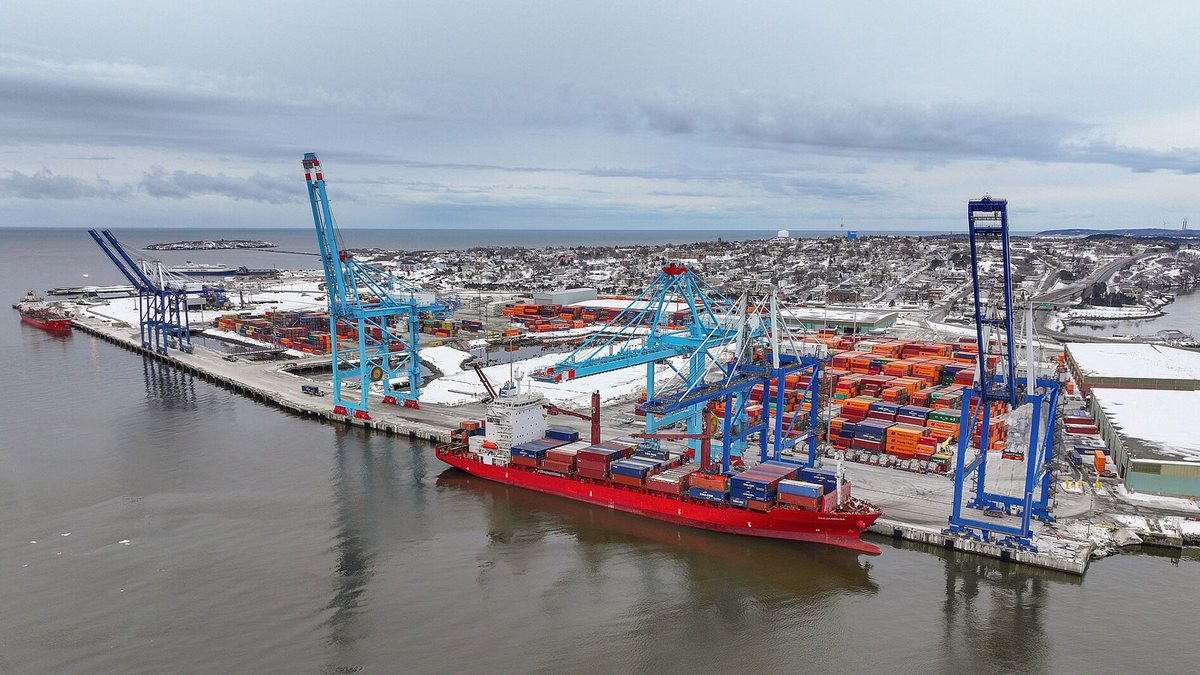
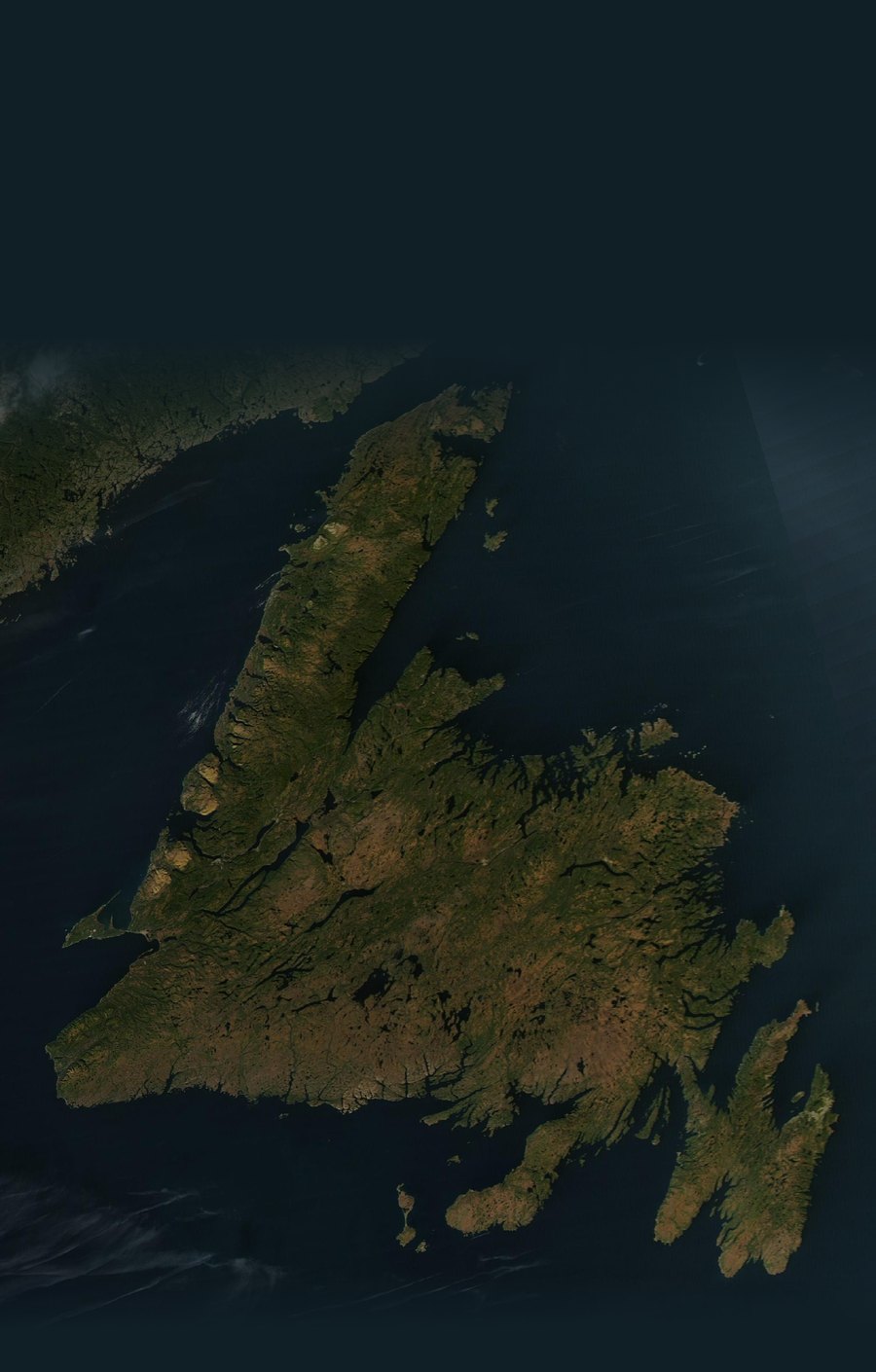 TOP 10mining jurisdiction
Pipestone XL sits in an established corridor, and hydro rates in the province are among the cheapest in North America.39
Newfoundland and Labrador has a record of permitting mines. The Valentine Gold project was registered in April 201940 and approved by August 202241, with first gold on September 14, 202542: about three years to permit and three to build. Satellite image: NASA Worldview, MODIS Aqua, November 12, 2010.43
The International Monetary Fund puts the production value of nickel from 2021 to 2040 at $4.1 trillion and cobalt at $1.6 trillion.44 Governments in North America are moving to build that supply chain at home.
Management, directors and advisors, and $13.4 million raised with no warrants

A geologist with 15 years of mining and exploration experience, including a project taken from discovery to more than 7 billion tonnes defined within two years.52
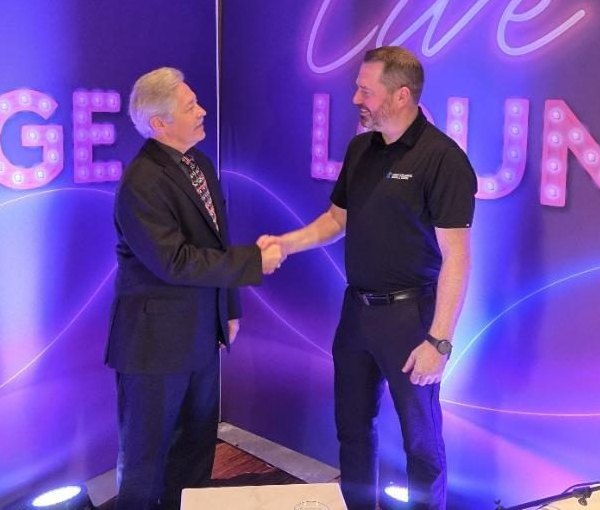

 Mike Piller, B.Sc. (Hons)Project Geologist
22 years of mining and exploration experience, including the Valentine Lake and Voisey's Bay projects.52
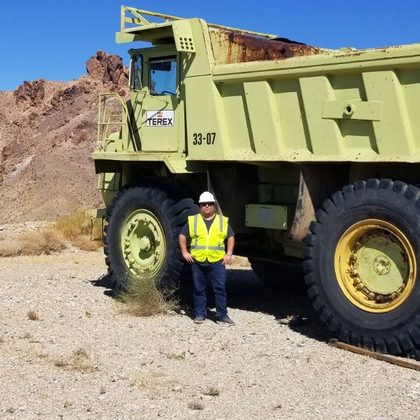 Kosta TsoutsisDirector
More than 20 years of finance and capital markets experience.52
 Michael Collins, P.Geo.Independent Director
Professional geologist with more than 25 years of industry experience.52
 Jim Henning, CA, CBV, CFAChief Financial Officer
Chartered accountant, chartered business valuator and CFA charterholder.
 Robert GuzmanHead of Investor Relations
Founder and Managing Partner of Xander Capital Partners.52 1-844-592-6337.
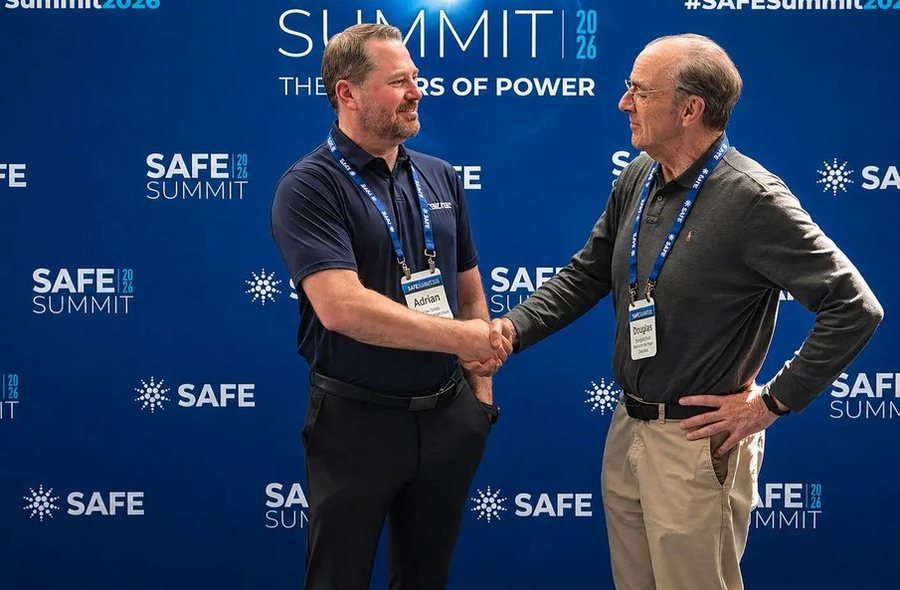
Between September 18 and October 6, 2026, the company closed three no-warrant placements totaling about $13.4 million.4 The proceeds fund drilling and exploration through 2027, including the year-round District Road now under construction.8
First Atlantic trades in Canada, the United States and Germany
 OTCQB: FANCFUnited States, OTCQB
View the FANCF quote on OTC Markets ›
FANCF is available through Charles Schwab, Fidelity and E*TRADE.
Look up the symbol at your broker, add First Atlantic to your watchlist and register for news alerts, so the next drilling update reaches you the day it is issued. First Atlantic welcomes calls from shareholders and prospective investors. Rob Guzman, Investor Relations, is at 1-844-592-6337.
This webpage has been prepared and distributed by First Atlantic Nickel & Cobalt Corp. and constitutes a promotional communication. It is provided for informational purposes only and does not constitute financial or investment advice or a recommendation, offer or solicitation to buy or sell any securities. Investing in securities involves risk, including the risk of loss of principal. Past performance is not indicative of future results, and no assurance can be given that any objectives, projections or expectations described on this page will be achieved. Market forecasts cited on this page are third-party views and are inherently uncertain; actual price and demand outcomes may differ materially.
No securities regulator or stock exchange has reviewed or accepts responsibility for its contents. Recipients should conduct their own research and consult qualified investment professionals before making any investment decisions. By reading this communication, you acknowledge and agree that neither First Atlantic Nickel & Cobalt Corp. nor any of its directors, officers, employees, agents, or promoters accepts any liability for any direct or consequential loss or damages arising from reliance on the information contained herein.
The scientific and technical information on this page has been reviewed and approved by Adrian Smith, director and the Chief Executive Officer of the Company whom is a qualified person as defined by NI 43-101. The qualified person is a member in good standing of the Professional Engineers and Geoscientists Newfoundland and Labrador (PEGNL) and is a registered professional geoscientist (P.Geo.). Unless otherwise indicated, the technical information on this page is derived from the Company’s previously filed disclosure, including news releases available under the Company’s profile on SEDAR+.
This page contains “forward-looking information” within the meaning of applicable Canadian securities laws, including, without limitation, statements regarding: anticipated North American and U.S. demand for nickel, cobalt and chromium; projected supply deficits, import dependence and price trends; the potential strategic importance of the Pipestone XL Project; the potential for awaruite mineralization to support smelter-free or onshore processing; the potential ability of concentrate from the Project to be processed by downstream North American customers; expected metallurgical, recovery, concentrate grade, by-product and processing outcomes; the extent, scale and continuity of mineralization; future exploration, drilling, metallurgical testing and development plans; permitting, environmental, infrastructure and timeline advantages; and potential opportunities relating to chromium, geologic hydrogen and carbon capture. Forward-looking information is often, but not always, identified by words such as “expects,” “plans,” “targets,” “believes,” “projects,” “potential,” “could,” “may,” “will,” “anticipates,” and similar expressions.
Forward-looking information on this page is based on a number of material factors and assumptions, including, among other things: the accuracy of current geological, geophysical, geochemical, drilling, sampling, assay and metallurgical data interpretations; the continuation of observed mineralization and metallurgical characteristics; the ability to obtain results from additional drilling and testing consistent with results to date; the availability of financing, personnel, equipment and contractor support; the timely receipt of permits, approvals and access; the availability of infrastructure, processing, refining and transportation alternatives; the continuation of supportive critical mineral, trade and industrial policies in Canada and the United States; and management’s current expectations regarding market conditions, demand, pricing and supply chain dynamics for nickel, cobalt and chromium.
Forward-looking information is subject to known and unknown risks, uncertainties and other factors that may cause actual results or events to differ materially from those expressed or implied by such forward-looking information. These include, without limitation: exploration results not supporting current interpretations; drilling, sampling, assay, metallurgical or recovery results that differ from results obtained to date; the absence of a mineral resource estimate or economic study demonstrating economic viability; changes in commodity prices, demand forecasts, tariffs, quotas, trade measures or critical mineral policies; the inability to secure financing, permits, social licence, infrastructure, contractors, processing arrangements or offtake relationships on acceptable terms or at all; technical, engineering, processing, scale-up or recovery challenges; cost inflation; environmental and regulatory risks; title, access, weather and operational risks; and general economic, market and capital markets conditions. Readers are cautioned that actual results may differ materially from the forward-looking information on this page, and undue reliance should not be placed on such information.
The forward-looking information on this page is made as of the date of publication of this page, and First Atlantic Nickel & Cobalt Corp. undertakes no obligation to update or revise such information except as required by applicable securities laws.
Readers should review the Company’s continuous disclosure filings available on SEDAR+ and should conduct their own independent review before making any investment decision.
On fanickel.com the news release opens here, in this window, without leaving the page. This preview cannot load pages from another site, so use the button below.
OPEN THE NEWS RELEASE ›Register for investor updates and we will notify you when it is ready.
Register for Investor Updates
Our White Paper on Onshoring the North American Nickel-Cobalt Supply Chain
Now available — enter your email and we’ll send it to you instantly.